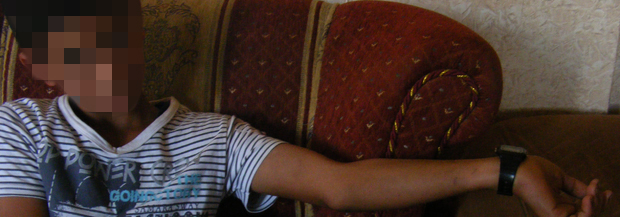
Dear friends,  This month, we published testimonies of dozens of Palestinian minors who were abused, and some of them tortured, in interrogations at the Israel Police station at Gush Etzion in the West Bank. This month, we published testimonies of dozens of Palestinian minors who were abused, and some of them tortured, in interrogations at the Israel Police station at Gush Etzion in the West Bank. This publication is the result of four years of documentation, during which our field researchers collected testimonies from dozens of minors, who told of threats and extreme violence against them in order to make them confess to stone-throwing or incriminate their friends. As a father and as an Israeli citizen, I see it as my duty to demand that these claims of institutionalized violence be investigated. I cannot accept that interrogators abuse their power, and certainly not that the authorities turn a blind eye to such abuse. We presented our documentation to various officials from the Israel Police, the Justice Department, and the Department for the Investigation of Police (DIP). The latter opened investigations into individual complaints; however a year later they are still on-going. It is imperative that the DIP conclude the investigations and, if the claims are substantiated, take legal and administrative measures against those responsible, including higher ranking officials who are aware of this phenomenon and allow it to continue. The Jewish New Year is an opportunity to wish us all a shana tova - may it be a year of human rights for all.
Sincerely, Noam Raz, Data Coordinator of security forces’ violence against civilians | | |  Six months after the Turkel Commission issued its report on Israel’s investigative policy of alleged violations of laws of war, B’Tselem published a position paper on the report. While the commission held that Israel fulfills its obligation to investigate, it noted: “in several of the areas examined, there are grounds for amending examination and investigation mechanisms and in several areas, there are grounds for changing the accepted policy”. The commission’s recommendations are far-reaching. Nonetheless, B’Tselem emphasizes that greater systemic change is needed to bring Israel’s military investigative policy up to par. | | READ MORE >> | | | 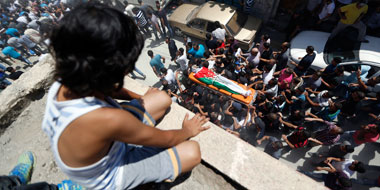 B’Tselem’s investigation into the incident, in which three Palestinians were killed by Israeli security forces’in Qalandiya Refugee Camp, raises grave questions about the planning of the operation and the conduct of the security forces. An investigation into the incident must be opened immediately to examine these issues. | | READ MORE >> | | | 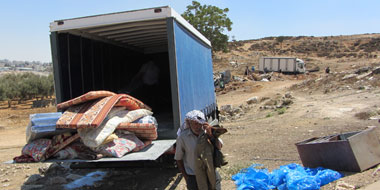 On 19 Aug. 2013, Israeli authorities demolished all the homes of the Bedouin community of Tal ‘Adasa, north of Jerusalem, and gave them ten days to leave the spot. The community was forced to relocate elsewhere in the West Bank, outside the municipal boundaries of Jerusalem, although they have lived in the area since the 1950s. | | READ MORE >> | | | 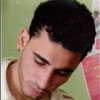 Ibrahim Sarhan, 21, was shot and killed by soldiers in July of 2011, at the al-Far'ah refugee camp. The MAG corps decided not to indict the soldiers who killed him. B'Tselem appealed this decision, arguing that the investigation materials contain evidence that the fatal shooting was carried out in violation of the open-fire regulations and without any justification. This case illustrates the military's problematic conduct with respect to investigating the killing of Palestinians. | | READ MORE >> | | | 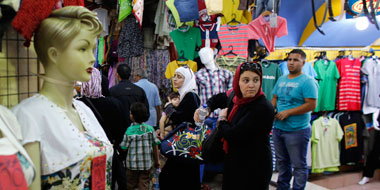 Palestinian residents of East Jerusalem are classed as “permanent residents”, a status usually accorded to foreign nationals wishing to live in Israel and which can be revoked relatively easily. Indeed, since 1967, Israel has revoked the permanent residency status of over 14,000 Palestinian residents of East Jerusalem. The revocation was part of a politically-driven policy aimed at maintaining the “demographic balance” of a Jewish majority in Jerusalem. Most Palestinian residents of Jerusalem who lose their residency have no legal status anywhere else in the world. | | READ MORE >> | | |  'Omar Hushiyeh told B’Tselem that he was attacked by masked men on 14 July 2013, as he was walking his flock home. When soldiers came, the assailants fled. The soldiers did not pursue the assailants. Hushiyeh filed a police complaint, but just two weeks later, the case was closed on grounds of “unknown assailant”. B’Tselem demanded that the police reopen its investigation and that the military require the soldiers who were present to testify before the police. | | READ MORE >> | |
| |